How to Choose the Right Auto Hauler for Your Business
Your equipment plays a major role in your ability to move vehicles safely, efficiently, and profitably. Choosing an auto hauler isn’t just about finding a trailer that gets the job done, it’s about selecting equipment that matches your routes, workload, drivers, and long-term business goals.
Whether you’re an owner-operator adding your first hauler or an established fleet looking to expand, understanding your options can help you make a smarter investment.
1. Start With Your Hauling Needs
Before choosing equipment, consider what your operation actually requires.
Questions to ask:
- Are you hauling locally, regionally, or long-haul routes?
- How many vehicles do you typically transport at one time?
- Are you hauling standard vehicles, luxury vehicles, specialty vehicles, or a mix?
- Are you expanding your customer base or replacing aging equipment?
The “best” auto hauler depends heavily on how you use it.
2. Understand Different Auto Hauler Types
Not all auto haulers are built the same. The right equipment depends on the type of vehicles you transport, the routes you run, your load volume, and the customers you serve.
Auto haulers generally fall into two main categories: open carriers and enclosed carriers. Within those categories, there are several configurations designed to meet different hauling needs.
Open Auto Haulers (Open Car Carriers)
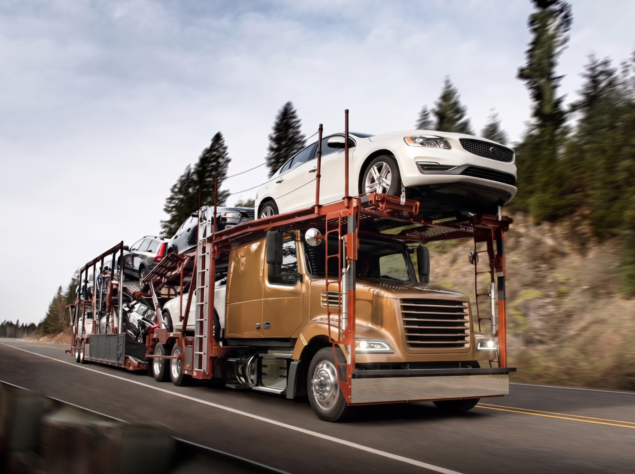
Open auto haulers are the most common type of equipment used in vehicle transportation. These carriers are designed to maximize efficiency by transporting multiple vehicles at once, making them a popular choice for high-volume operations.
Because they offer greater capacity and flexibility, open carriers are commonly used for dealership transfers, auctions, rental fleets, and standard vehicle transportation.
Common Types of Open Auto Haulers: Shotgun / Stinger Auto Haulers
A shotgun carrier is one of the most recognizable configurations in the auto transport industry. These trailers typically feature a long, narrow design that allows vehicles to be positioned in a staggered layout.
Common characteristics:
- Designed for long-distance vehicle transport
- High vehicle capacity
- Improved maneuverability compared to some larger configurations
- Common among OTR auto transport carriers
Best suited for:
- Interstate hauling
- High-mileage routes
- Carriers moving multiple vehicles per trip
Mid-Size Auto Haulers
Mid-size carriers provide a balance between capacity and maneuverability. They are often a good option for operators who want increased hauling capability without moving into the largest equipment configurations.
Common characteristics:
- Easier maneuverability in tighter areas
- Lower equipment demands than larger carriers
- Flexible for regional operations
Best suited for:
- Regional carriers
- Growing fleets
- Operators hauling mixed routes
Flatbed / Deck-Style Auto Haulers
Flatbed-style carriers offer flexibility for certain types of loads and can accommodate vehicles that may not work well with traditional carrier configurations.
Common characteristics:
- Flexible loading options
- Useful for specialty situations
- Can accommodate different vehicle sizes
Best suited for:
- Specialty transport
- Unique vehicle moves
- Operators needing flexibility
Open Auto Hauler Benefits:
Higher Load Capacity
Open carriers allow operators to move multiple vehicles in a single trip, helping maximize revenue potential.
Cost Efficiency
Compared to enclosed carriers, open equipment generally offers lower operating costs and is widely used throughout the industry.
Versatility
Open carriers can transport a wide variety of standard vehicles, making them a practical choice for many transportation businesses.
Industry Standard for OTR Transport
Many long-haul auto transport operations rely on open carriers because they are designed for efficiency and volume.
Enclosed Auto Haulers
Enclosed auto haulers provide an additional layer of protection by shielding vehicles from weather, road debris, and outside exposure.
While they typically transport fewer vehicles compared to open carriers, they are often chosen when the value or condition of the vehicle requires extra protection.
Common Types of Enclosed Auto Haulers:
Single-Car Enclosed Trailers
Designed for transporting one vehicle at a time, these are often used for specialty or high-value moves.
Best suited for:
- Collector vehicles
- Show cars
- High-value vehicles
Multi-Car Enclosed Trailers
These trailers allow carriers to transport multiple protected vehicles while maintaining the benefits of an enclosed environment.
Best suited for:
- Luxury transport
- Specialty vehicle businesses
- High-end customers
Enclosed Auto Hauler Benefits:
Vehicle Protection
Protection from weather, road debris, and environmental exposure can be a major advantage when transporting valuable vehicles.
Added Security
Enclosed trailers provide additional privacy and security compared to open transportation.
Premium Transport Capability
For customers who prioritize vehicle condition and protection, enclosed transport can command premium service.
Choosing Between Open and Enclosed
The right choice comes down to your business model.
Choose an open carrier if you prioritize:
- Higher volume
- Maximum efficiency
- Standard vehicle transportation
- Long-distance routes
Choose an enclosed carrier if you prioritize:
- Vehicle protection
- Specialty transportation
- Luxury or collector markets
- Premium service offerings
3. Consider Capacity and Weight Requirements
Choosing a hauler that matches your capacity needs is critical.
Think about:
- Number of vehicles per load
- Average vehicle weight
- GVWR requirements
- Axle configuration
- Towing capacity
Overloading equipment or consistently operating at maximum capacity can increase wear and maintenance costs.
4. Evaluate Your Driver and Operational Needs
Your drivers interact with the equipment every day.
Important considerations:
- Ease of loading and unloading
- Accessibility
- Safety features
- Comfort and usability
- Maintenance requirements
The right equipment should make the job easier — not create additional challenges.
5. New vs. Used Equipment Considerations
Many carriers debate whether to purchase new or used equipment.
Used equipment may offer:
- Lower initial cost
- Faster availability
New equipment may provide:
- Latest features
- Updated technology
- Potentially fewer early repairs
However, both options require careful consideration of your budget and business goals.
6. Why Leasing Can Be a Smart Option for Auto Haulers
For many carriers, leasing provides flexibility without tying up large amounts of capital.
Benefits may include:
- Preserving cash flow
- Predictable monthly payments
- Ability to add equipment as your business grows
- Easier equipment upgrades
- Keeping your fleet current
A lease structure can help businesses focus resources where they matter most — keeping trucks moving and customers satisfied.
7. Choose a Partner Who Understands Transportation
The right equipment is only part of the equation. Working with a leasing partner who understands the transportation industry can make the process smoother.
A knowledgeable partner can help you evaluate options based on your operation, growth plans, and financial goals.
Ready to add or upgrade your auto hauling equipment?
Trans Lease Inc. helps transportation professionals access the equipment they need to keep their businesses moving. Contact our team to explore leasing options designed around your operation.