5 Reasons TRAC Leases Work for Waste & Refuse Fleets
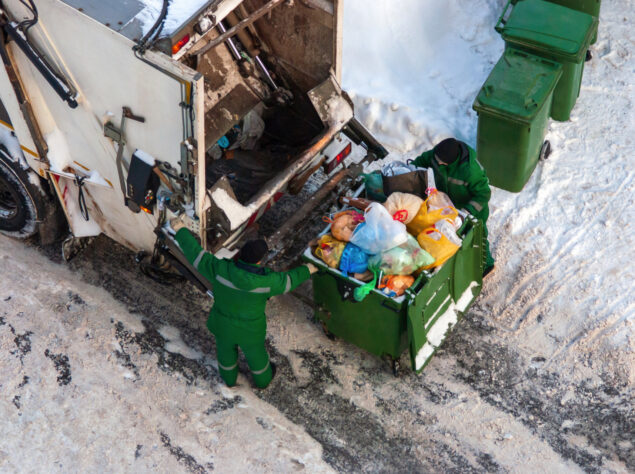
Refuse trucks and waste collection fleets are expensive to buy and maintain, often costing $200,000–$400,000 each and lasting 7–10 years. Replacing and taking care of these trucks is a big ongoing expense for both private and municipal fleets.
That’s where TRAC leasing comes in. It helps fleets save cash, plan predictable costs, and keep up with new truck technology. Here’s why TRAC leases are still a smart choice for waste and refuse fleets, and how they make managing these tough vehicles a little easier.
Waste Fleets Are Under Pressure to Replace Aging Trucks
Across North America, many refuse fleets are running older trucks longer due to tight municipal budgets and rising equipment costs. In fact, average refuse fleet ages have climbed significantly in recent years, with municipalities delaying purchases while maintenance costs climb.
Owning older vehicles can expose fleets to:
- Higher maintenance costs after year 8
- Longer downtime with out-of-service trucks
- Lower resale values when it’s time to replace
A TRAC lease lets fleets rotate vehicles out more predictably, matching truck lifecycles to operational needs without the large upfront cash required for outright purchases.
TRAC Leases Help Preserve Working Capital
One of the biggest benefits of leasing refuse trucks, especially with a TRAC lease, is that it frees up cash for important day-to-day costs like labor, fuel, and maintenance instead of tying it all up in trucks that lose value over time.
Buying trucks outright usually requires a lot of money or loans, but leasing spreads the cost out over time. This is especially helpful in waste hauling, where budgets for new trucks aren’t always guaranteed and income can vary by season. Leasing helps keep monthly costs predictable and in line with revenue, so fleet managers don’t face big cash swings.
Rising Technology & Equipment Costs Strengthen Leasing Value
Refuse truck technology is rapidly evolving, including:
- Automated side loaders that improve productivity and safety
- Telematics and smart routing that reduce operational inefficiencies
- Advanced driver-assistance systems designed for stop-and-go operations
Newer refuse trucks also often come with premium price tags, with electric and highly automated units costing significantly more than conventional models. Leasing allows fleets to keep up with these innovations without large capital outlays, while TRAC structures give owners flexibility to decide what to do at end of term.
TRAC Residual Planning Mitigates Resale Risk
Residual value planning is a critical part of truck leasing, especially for refuse trucks, which often have specialized bodies and limited resale markets. In a TRAC lease, lessees typically pay for the use of the vehicle and have the option to purchase it at residual value at lease end. This structure allows fleets to:
- Avoid unpredictable depreciation risk
- Lock in residual value targets up front
- Plan fleet transitions with more certainty
For refuse fleets with heavy usage, this can protect against valuation surprises that might occur in outright purchases when it’s time to replace aging equipment.
Leasing Reduces Some Operational Barriers in the Waste Industry
Several long-term operational pressures in refuse fleets, such as labor shortages, parts backlogs, and extended delivery lead times, can inhibit fast fleet growth or replacement.
With TRAC leases, fleets often benefit from:
- Faster access to new trucks
- Better budgeting with fixed monthly payments
- Ability to upgrade units sooner as technology improves
These factors help waste haulers keep pace with service demands while controlling costs.
TRAC Leasing Remains a Smart Option for Waste & Refuse Fleets
Given the high cost of refuse trucks, maintenance challenges, and market volatility, TRAC leases offer refuse fleet owners a balanced way to:
- Preserve working capital
- Avoid large upfront investments
- Manage cash flow with predictable costs
- Protect against unpredictable resale risk
For waste and refuse fleets that need to operate efficiently and reliably in 2026 and beyond, TRAC leasing remains a competitive and flexible strategy, especially compared with outright ownership that can trap capital and expose fleets to seasonal market shifts.
Looking to update or expand your waste fleet without tying up your cash? Trans Lease can help. Our TRAC lease solutions make it easier to manage costs, plan for replacements, and keep your fleet running efficiently, so you can focus on serving your routes, not worrying about truck payments. Contact us today to see how a TRAC lease can work for your fleet.